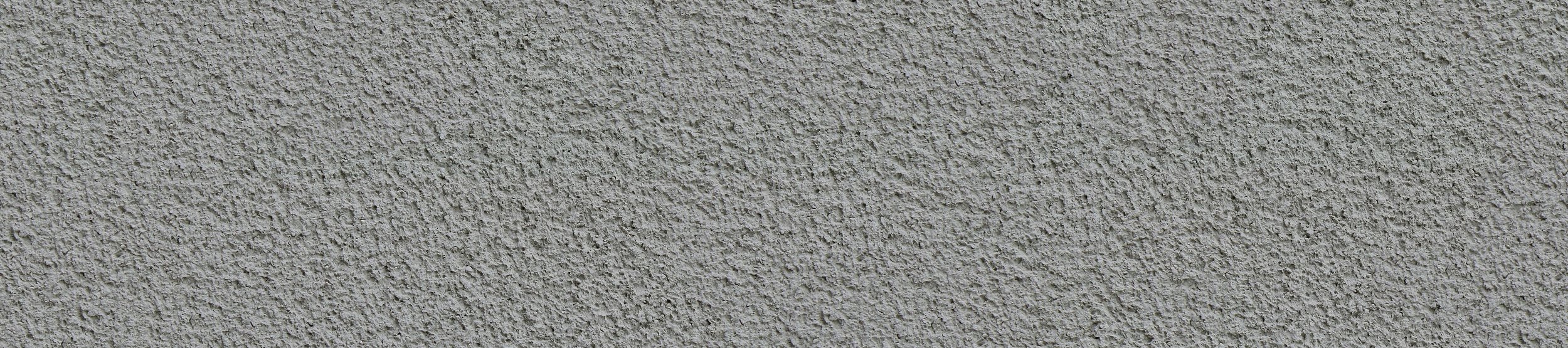
A finish sample is a small piece of a much larger decision. It does not show the whole patio, the chairs on it, the path to the gate, or the way the surface looks beside your house. That is why choosing between stamped concrete and a straightforward broom finish should start with the space, not just the sample.
Both can belong in a well-planned concrete project. The question is which one supports the appearance, use, and care expectations you have for this particular surface. A decorative finish is not automatically the better choice, and a simple finish is not a sign that the design has been neglected.
For a Windsor patio or walkway, think through the following comparisons before settling on the finish in an estimate.
What do you want the concrete to contribute?
Some outdoor spaces already have plenty of visual detail: brick, stone, wood fencing, garden beds, and a house with strong architectural features. In that setting, a quieter concrete surface may provide a useful background. It can let the planting or building remain the focus.
Other spaces are visually simple and could benefit from more texture or pattern. Stamped concrete may be worth discussing where the surface itself is intended to contribute character. The key is knowing what role you want it to play.
Try describing the goal without naming a product. “We want the patio to feel calmer beside the brick wall” or “we want the path to have more texture” gives the contractor a design direction. Starting with a pattern name can skip that conversation and leave you evaluating details that do not answer the real brief.
Understand the basic difference
A broom finish produces a textured concrete surface with a relatively simple visual treatment. Stamped concrete introduces a pattern into new concrete while it is workable. The decorative scope may also involve color, borders, and a sealer, depending on the chosen approach.
That description does not establish every detail of either option. There are differences within each type of finish, and the actual specification should be discussed for your project. Ask to see the proposed texture or a relevant reference rather than assuming a label describes exactly what you will receive.
Also distinguish new work from an existing slab. Conventional stamping of a new pour and applying a compatible decorative system over old concrete are different scopes. If you already have concrete, its condition needs review before a finish option can be promised.
Compare the whole surface, not one square
A pattern can look appealing in a close-up and become busy across a larger area. Conversely, a plain sample can seem unremarkable while the finished patio looks balanced once the furniture and planting are in place.
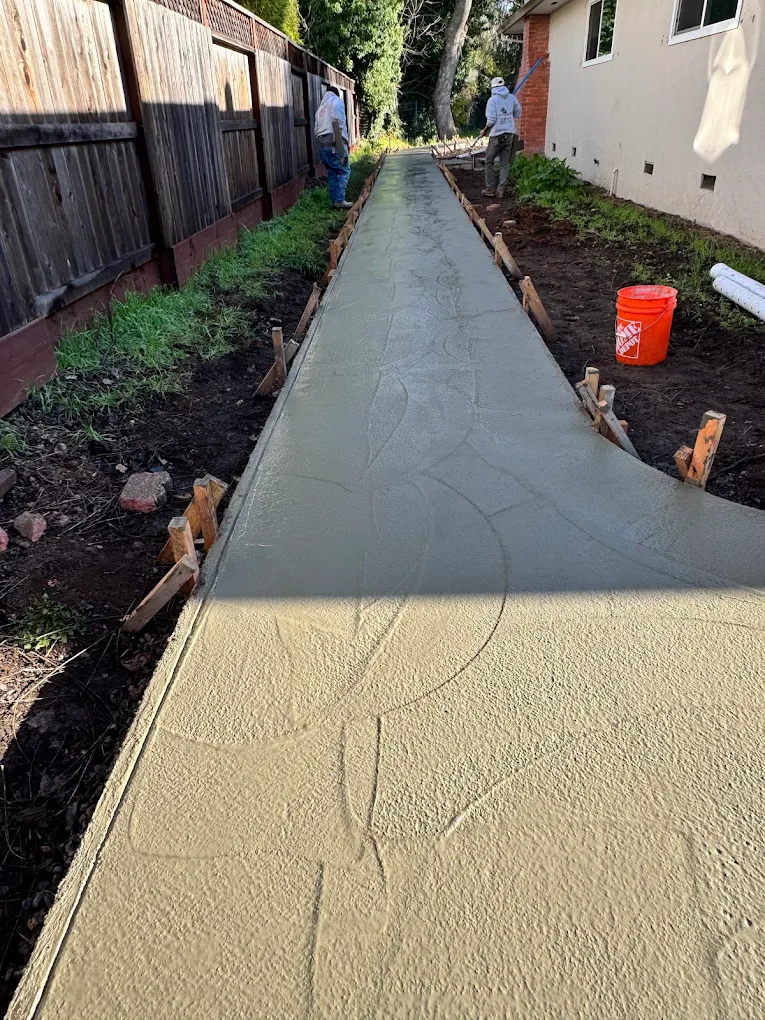
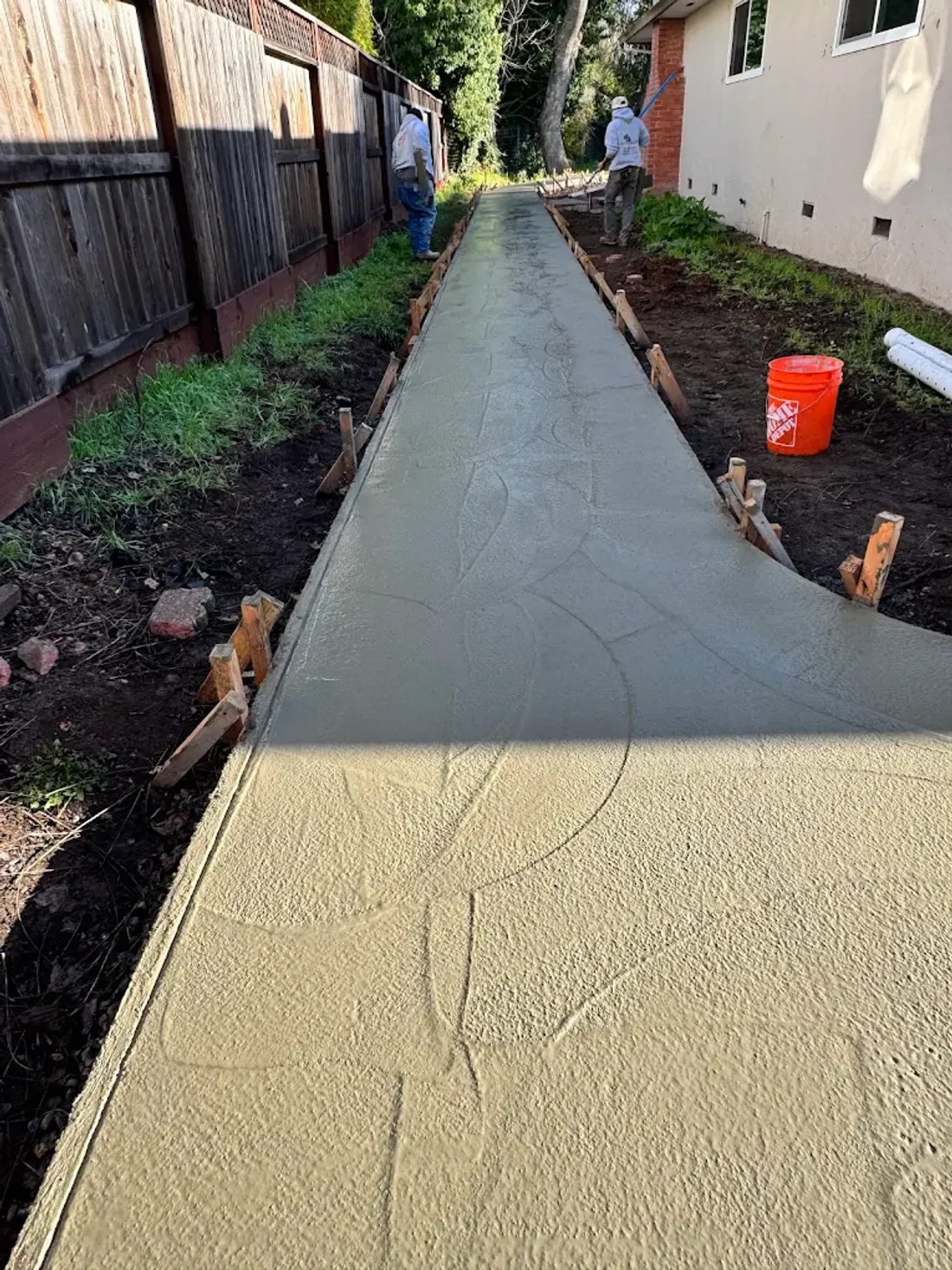
Look at references with a similar overall shape to your project. A wide open patio, a narrow side path, and a small landing place different demands on pattern scale and direction. Corners, narrow strips, and curves can change how a repeating design reads.
Sketch the main furniture and walking routes onto the proposed layout. Then consider where the finish will actually be visible. If most of a small patio is occupied by furniture, a complex central pattern may contribute less than a well-considered border or a simple texture that carries through the connecting path.
Include joints in the design conversation
Joint locations affect the appearance of a concrete surface, whatever finish you choose. Ask how the proposed joint layout relates to the patio shape, borders, and pattern direction. It should be considered with the design rather than treated as a separate surprise.
Do not choose a decorative reference on the assumption that it eliminates the need to plan joints. The surface treatment does not remove the underlying concrete considerations. A contractor should be able to discuss both the appearance and the construction requirements without pretending they are independent.
For a simple finish, orderly lines may be an important part of the visual result. For stamped concrete, the relationship between those lines and the pattern deserves attention. In either case, review the complete layout before focusing only on color.
Think about the feet and wheels using it
A patio used barefoot, a route for rolling bins, and a walkway used by visitors have different practical priorities. Tell the contractor how the surface will be used, including whether it forms part of a required accessible route.
Ask about the proposed texture in the conditions where it will be used. Outdoor surfaces may be wet from rain, irrigation, or a nearby pool. Any sealer should be part of that discussion. No finish should be sold to you as universally slip-proof under every condition.
A decorative layout also needs to make sense for movement. Separated pads in gravel may suit a landscape feature but create difficulties for certain wheeled uses. Pattern, texture, and layout are related decisions, and the most attractive photograph may not show the same daily use as your property.
Be honest about color expectations
Concrete color should not be selected with the expectation that a screen image guarantees an exact result. Lighting, surrounding materials, age, surface condition, and the chosen treatment all affect what you see.
If color is part of the proposal, ask what reference or sample will guide the work and what variations should be expected. Look at it beside the materials that will remain at your home. A color that appears neutral by itself may read differently beside a warm brick wall or a cool painted exterior.
Matching older concrete is a separate issue. New work should not be assumed to disappear into an existing surface, whether it is plain or decorative. Sometimes a deliberate boundary creates a clearer result than trying to make two different surfaces look identical.
Compare the maintenance you are willing to do
Ask for care guidance for the actual finish and any sealer being proposed. What cleaning methods are appropriate? What products should be avoided? Will the surface need periodic treatment, and how should you recognize when that work is needed?
Do not accept “maintenance-free” as a useful description of an outdoor concrete surface. Dirt, leaves, spills, irrigation, and everyday traffic still affect its appearance. The relevant comparison is the type of care you are willing to provide, not whether one option magically avoids all upkeep.
Think about your habits realistically. If you want a restrained surface and minimal decorative maintenance, say so. If you are comfortable caring for a more involved finish because its appearance matters to you, say that too. The right choice should fit your expectations after installation, not just your reaction to a photo today.
Consider a border or a smaller decorative area
The decision does not always have to be an all-over finish across every concrete surface. A border, a change in texture, or a defined feature area may provide the visual interest you want without making the entire layout busy.
For example, a homeowner might prefer a quiet main patio with a more deliberate edge treatment. That is a design possibility to discuss, not a universal recommendation. The construction details, joints, and chosen materials still need to work together.
Our decorative concrete page covers the broader range of layout and finish decisions. It can be useful if you like parts of a stamped reference but do not want the whole space to carry a strong pattern.
Read the estimate carefully
Make sure the proposal identifies the actual finish and any decorative components. Pattern, color, borders, and sealer should not be left to a general phrase such as “decorative patio.” If an item in your reference photo is not included, that should be understood before construction.
Compare the preparation and concrete scope as well. A more decorative finish is not a substitute for sound layout, appropriate construction details, and a drainage plan. Two estimates that differ in those underlying items are not a clean comparison of finish prices.
Ask what happens at steps, edges, and connections to existing paving. These details affect the final appearance and can require their own treatment. A patio that looks complete in the middle should also look intentional where it meets the rest of the property.
Use three references, each for a reason
A useful way to prepare for the finish conversation is to choose a small set of images and label what you like about each. One might show the texture. Another might show the border. A third might show the overall relationship to the house.
This avoids an easy misunderstanding: showing a photograph because you like its calm appearance and having someone assume you want every pattern, curve, and color in it. Be equally clear about what you do not want to carry over.
Include a current photograph of your own space beside the references. The contractor can then discuss what is relevant to the actual patio or path. That keeps the decision grounded in your property rather than in a collection of unrelated inspiration images.
A choice you can explain in one sentence
Before finalizing the finish, try stating why you chose it. “We want a simple textured surface that lets the garden stand out” is a complete reason. So is “we want a patterned patio that becomes a feature of the yard, and we understand its care needs.”
If the explanation is only that one option is supposed to be more expensive or more impressive, revisit the use and setting. A successful finish belongs to the project; it does not need to win a competition with every other finish.
Hard Stone Concrete builds patios, walkways, and stamped concrete from our Windsor base. Bring a few references and the practical requirements of the space. We can discuss a finish that fits both.
Start a project conversation with the location, approximate area, and what you want the concrete to contribute to your home.